NYSE: The Bridge Between Wall Street and On-Chain Finance
The world's largest exchange by market capitalization has declared its intent — a tokenized securities platform with 24/7 trading, instant settlement, and full shareholder rights. What does this mean for the RWA ecosystem?
The NYSE's announcement is not a surprise — it is the logical culmination of forces that have been building for years. What makes it significant is not the technology itself, but who is deploying it, and under what terms.
The platform integrates the NYSE's Pillar matching engine with a blockchain-based post-trade settlement system. Investors can place orders in dollar amounts, use stablecoins for fund transfers, and receive tokenized securities with full dividend and voting rights. ICE is also working with Bank of New York Mellon and Citigroup on tokenized deposit integration for clearing.
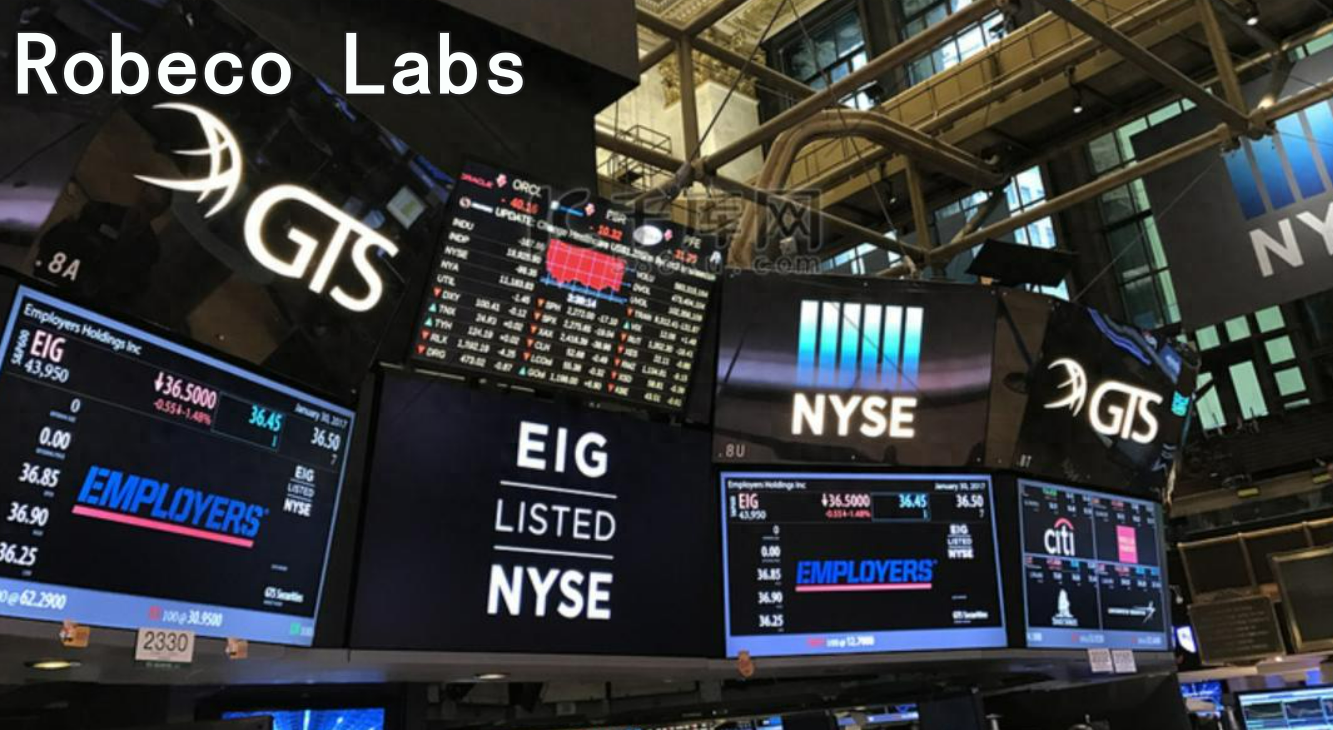
Bloomberg called this the shift from "theoretical discussions" to "early stages of real infrastructure deployment." But the real story is in the strategic architecture beneath the surface.
00Four Strategic Pillars
Compliance-First
Regulatory approval at the core. Early SEC engagement. Target: regulated ATS status. Not an off-grid system — a new market infrastructure within established securities laws.
Hybrid Architecture
Pillar matching engine for front-end speed. Blockchain for back-end settlement and ownership registration. Centralized performance + decentralized transparency. Pragmatic, not ideological.
Full Legal Parity
Tokenized shareholders get identical dividends and voting rights. SPVs bind real-world ownership to on-chain tokens. Not representations — enforceable financial instruments.
Open Access
Non-discriminatory access to all qualified broker-dealers. Not an exclusive club — a bridge. Activates the entire traditional financial distribution network into tokenized assets.
The NYSE is not building an "off-grid" system that challenges the rules, but a new market infrastructure designed to operate fully within them. This distinction is everything.
— Structural Analysis
01Disruption Map
Listed Companies & Issuers
T+0 settlement reduces capital lock-up. 24/7 global access. Automated dividend distribution. A new alternative to traditional IPOs — native digital securities issuance directly on-chain.
Crypto Exchanges & DeFi Protocols
Short-term: institutional capital may shift to regulated venues. Long-term: NYSE acts as "credit enhancement" for the entire tokenization sector. Crypto-native platforms evolve into specialized service providers and liquidity hubs.
RWA-Native Protocols
Validation and challenge simultaneously. NYSE attracts blue-chip assets, forcing native protocols to choose: defend niche in non-standard assets, or collaborate as asset originators and infrastructure providers.
Custody & Clearing Banks
From "static safekeeping vaults" to "dynamic gateways." BNY Mellon and Citigroup must develop real-time blockchain interaction capabilities. Their strategic relevance depends on this transition succeeding.
02The Real Question
The NYSE, founded in 1792, carries signaling power that no crypto-native project can match. Its entry asks a fundamental question: is this the opening of a compliant gateway for the large-scale digitization of real-world assets, or simply another carefully contained experiment?
The answer likely lies in the four pillars themselves. The compliance-first approach, the hybrid architecture, the legal parity guarantee, and the open-access strategy — these are not the markings of an experiment. They are the foundations of infrastructure.
For the RWA ecosystem, this means the competitive landscape has fundamentally changed. The question is no longer whether traditional finance will enter tokenization — it already has. The question is how quickly the infrastructure matures, and who positions themselves at the convergence point of institutional trust and on-chain efficiency.